Best Time to Visit Sri Lanka
The Definitive 2026 Month-by-Month Weather & Travel Guide
🌏 Beyond Booking: Why “Trip Like Local” is the Gold Standard in 2026
In a travel industry increasingly cluttered with automated algorithms and impersonal booking engines, Trip Like Local stands as a beacon for the authentic traveler. We don’t just sell tours; we engineer experiences that are deeply rooted in the soil of Sri Lanka and the Maldives.
🛡️ Boots on the Ground
Unlike global agencies, we have physical offices and dedicated local teams in both Colombo and Malé. When you are on the road, you aren’t calling a call center in another country—you’re calling a local friend who is minutes away.
🤝 Real Human Expertise
2026 is the year of “Human-Vetted” travel. Our specialists are seasoned professionals who live and breathe these destinations. We offer real-time updates on weather shifts, local festival dates, and hidden gems that AI simply cannot find.
💎 Radical Transparency
We offer Fixed BDT Pricing with zero hidden fees. In an era of fluctuating exchange rates, we provide financial peace of mind. What you see is exactly what you pay.
📅 Comprehensive Month-by-Month Guide
Sri Lanka’s weather is dictated by two main monsoons. This creates a “perpetual summer” somewhere on the island at any given time.
January: The Peak of Paradise
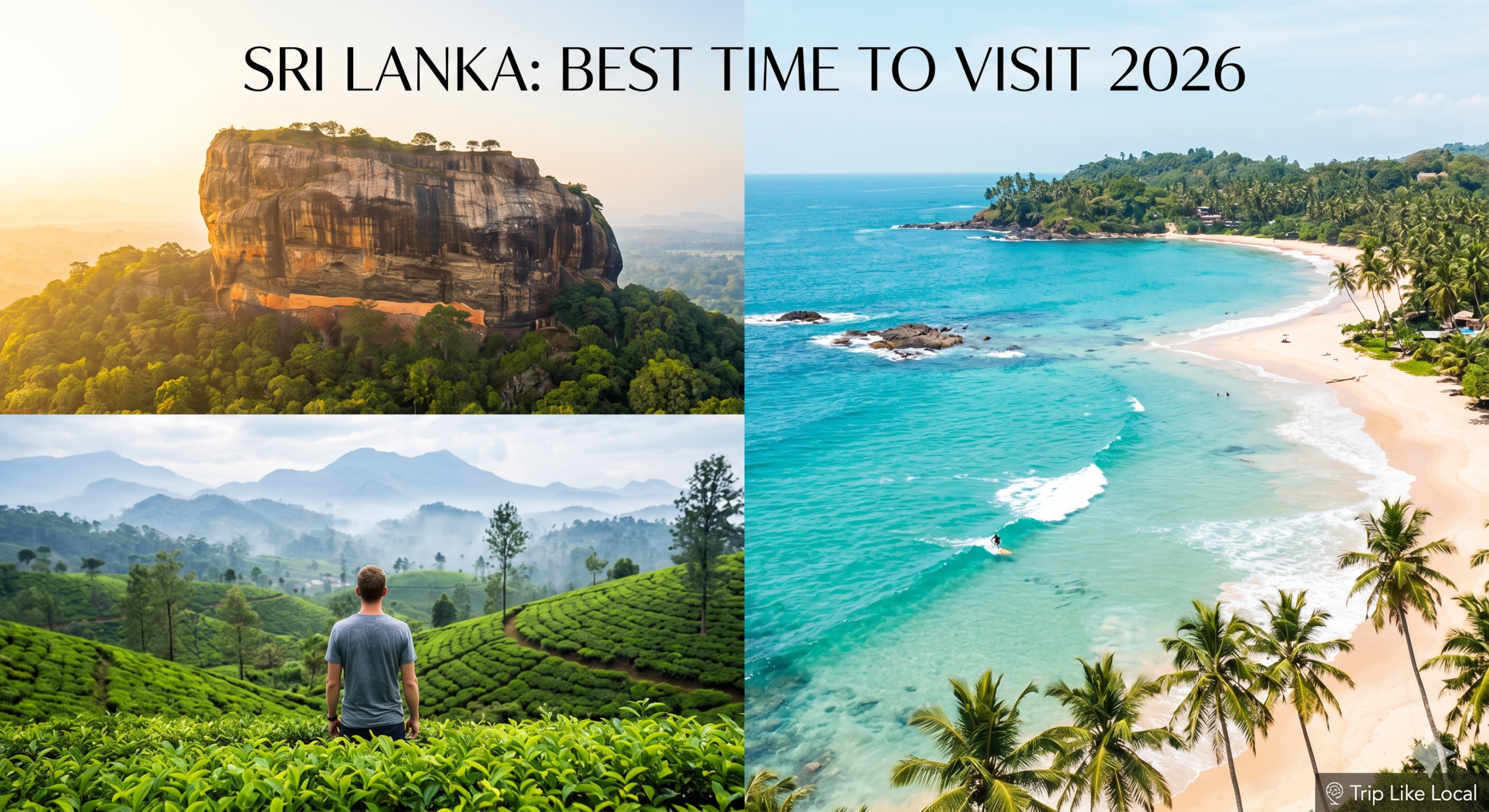
January is arguably the most popular month. The South and West coasts (Galle, Hikkaduwa, Mirissa) enjoy endless sunshine and calm turquoise waters. It is the prime season for Blue Whale watching.
Local Tip: Central Highlands like Nuwara Eliya can be quite chilly at night—bring a sweater!
February: The Dry & Sunny Sweet Spot
Statistically the driest month for the entire island. Whether you are climbing Sigiriya Rock or lounging in Unawatuna, you are almost guaranteed clear skies. It’s the best time for wildlife safaris in Yala National Park as animals gather around water holes.
March: Ideal for Adventure
The heat starts to build up, making the cool air of the mountains very attractive. It’s the perfect time to hike Adam’s Peak (Sri Pada) before the pilgrimage season ends. The seas remain calm, perfect for diving and snorkeling.
April: Cultural Vibrancy
April marks the Sinhala and Tamil New Year. The island is festive, though the humidity is at its peak. Short afternoon bursts of rain are common, but they provide a welcome relief from the tropical sun.
May: The Monsoon Shift
The “Yala” monsoon hits the South and West. However, this is when the East Coast (Trincomalee, Arugam Bay) starts its golden season. If you are a surfer, Arugam Bay is the place to be from May onwards.
June: East Coast Glory
While Colombo might be rainy, the Cultural Triangle (Dambulla, Anuradhapura) and the East Coast are basking in sunshine. This is a great month for budget travelers as many luxury resorts in the South offer massive discounts.
July & August: The Inter-Monsoon Break
A “little dry season” occurs, making travel across the whole island feasible again. The Kandy Esala Perahera—one of Asia’s most spectacular Buddhist festivals—happens in August. Book early; Trip Like Local ensures the best vantage points for our guests.
September: Peaceful Exploration
As the peak European holidays end, the island becomes quiet. The weather is unpredictable but mostly pleasant. It’s a fantastic time for “The Gathering”—where hundreds of elephants congregate in Minneriya National Park.
October: The Rainy Month
October is historically the wettest month due to the inter-monsoonal period. Rain can occur anywhere, often in heavy thunderous bursts. However, the landscapes become incredibly lush and green—perfect for photography enthusiasts who don’t mind a bit of mud.
November: The Transition
The rains start to recede toward the end of the month. The South-West coast begins to prepare for the peak season. Prices are still “shoulder season” low, making it a great time for savvy budget travelers.
December: High Season Magic
The cycle completes. Dry, sunny, and vibrant. Christmas and New Year in Sri Lanka are legendary, especially on the beaches of Hikkaduwa and Bentota. Expect crowds, but with Trip Like Local, we find you the secluded spots others miss.